
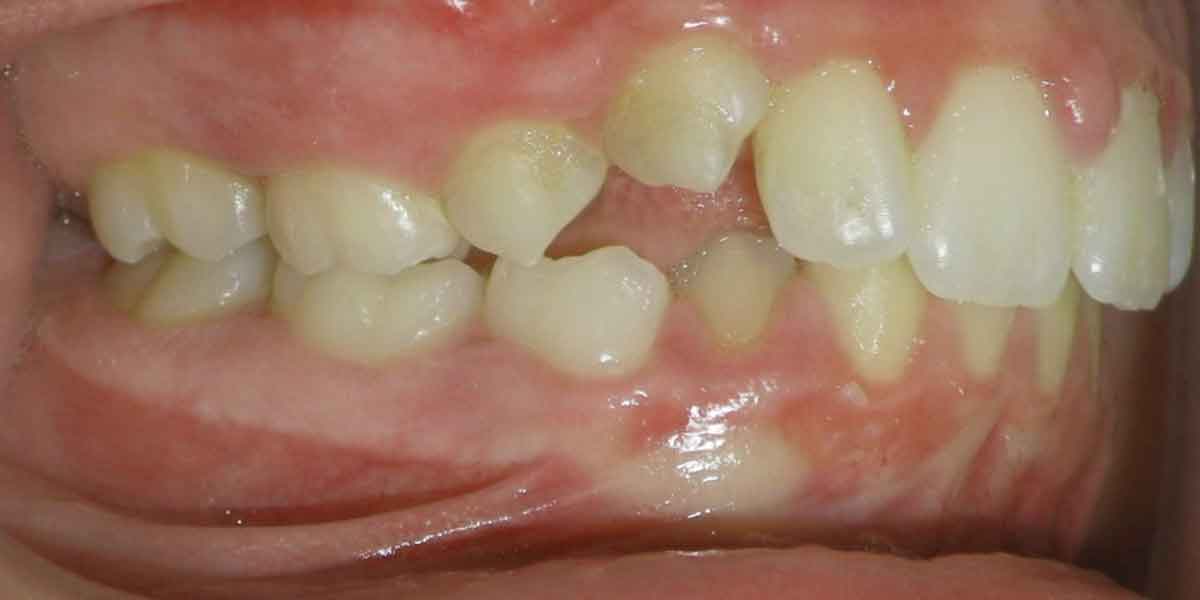

Thumb sucking is a prevalent behavior among infants and toddlers. While it is typically harmless during the early stages of life, extended thumb sucking can result in dental and developmental complications. It is crucial to address this habit before it negatively impacts your child’s oral health and overall growth. This article delves into the effects of thumb sucking on dental health and offers practical strategies to help your child quit the habit.
The Basics of Thumb Sucking
Thumb sucking is an instinctive reflex for infants, providing them with a sense of comfort and security. Most children naturally outgrow this habit between the ages of two and four. However, if it persists beyond this period, it can lead to several dental issues.
Reasons Behind Thumb Sucking
Children engage in thumb sucking for various reasons:
- Seeking comfort and security
- Self-soothing during times of stress or anxiety
- A habit developed during infancy
- Dealing with boredom or inactivity
Dental Health Implications of Thumb Sucking
Prolonged thumb sucking can significantly impact a child’s dental health. Recognizing these potential issues can encourage parents to address the habit early on.
Misaligned Teeth (Malocclusion)
Malocclusion refers to the misalignment of teeth. Persistent thumb sucking can cause the upper front teeth to protrude (overbite) or the lower teeth to tilt inward (underbite). These misalignments can affect the child’s ability to chew and speak and may also impact their self-esteem.
Palate Deformation
Continuous thumb sucking can alter the development of the roof of the mouth (palate). The pressure exerted by the thumb can create a high, narrow palate, leading to breathing difficulties and improper teeth alignment.
Speech Impediments
Dental misalignments and palate deformation caused by thumb sucking can contribute to speech problems. Children may develop a lisp or other speech impediments that can affect their communication skills and social interactions.
Thumb Skin Issues
Chronic thumb sucking can lead to skin irritation, calluses, or infections on the thumb. This can be uncomfortable for the child and may require medical attention.
Strategies to Help Your Child Stop Thumb Sucking
Breaking the thumb-sucking habit can be challenging, but with patience and consistency, it is achievable. Here are some effective strategies to help your child overcome this habit.
Utilizing Positive Reinforcement
Positive reinforcement is a powerful tool for encouraging behavior change. Praise your child for not sucking their thumb and offer rewards for progress. This could be a sticker chart where they earn a reward after a certain number of stickers.
Steps for Positive Reinforcement
- Create a reward chart to track progress
- Offer praise and small rewards for milestones
- Celebrate achievements to keep your child motivated
Identifying and Addressing Triggers
Understanding the triggers that lead to thumb sucking can help you address the root cause. Observe when your child tends to suck their thumb and identify any patterns, such as during stress, boredom, or bedtime. Once you know the triggers, you can work on providing alternative comfort or distraction methods.
Steps to Identify and Address Triggers
- Keep a journal to track when thumb-sucking occurs
- Identify common situations or emotions linked to the habit
- Offer alternatives like a comforting toy or activity during these times
Using Gentle Reminders
Gently reminding your child not to suck their thumb can help them become more aware of the habit. Avoid harsh scolding, which can create anxiety and make the habit worse. Instead, use calm and gentle reminders to encourage them to stop.
Techniques for Gentle Reminders
- Use a code word or phrase to remind your child
- Offer a substitute activity, like holding a stuffed animal
- Be patient and consistent with reminders
Providing Comfort and Security
If thumb sucking is a way for your child to self-soothe, finding alternative sources of comfort can be beneficial. Offer extra cuddles, a favorite blanket, or a special toy to help your child feel secure without resorting to thumb-sucking.
Comfort Strategies
- Encourage the use of a comfort object, like a blanket or stuffed animal
- Spend quality time together to reduce anxiety
- Create a calming bedtime routine
Using Thumb Guards
Thumb guards are plastic devices that fit over the thumb, making it difficult for the child to suck. These can be effective in breaking the habit, especially when used consistently. However, it’s essential to explain to your child why they are wearing it to avoid feelings of punishment.
How to Use a Thumb Guard
- Choose a thumb guard that fits comfortably
- Explain to your child its purpose and how it helps
- Use the thumb guard consistently, especially during peak thumb-sucking times.
Seeking Professional Assistance
If your child struggles to stop thumb-sucking despite your best efforts, seeking professional help can be beneficial. A pediatric dentist or orthodontist can provide additional strategies and may recommend appliances to discourage thumb-sucking. In some cases, a therapist can help address underlying emotional issues contributing to the habit.
When to Seek Professional Help
- If the habit persists beyond age four
- If the thumb sucking is causing dental or speech issues
- If your child seems anxious or stressed about stopping
Conclusion
Thumb sucking is a common habit in young children that usually resolves on its own. However, prolonged thumb sucking can lead to dental and developmental issues that require intervention. By using positive reinforcement, identifying triggers, providing comfort, and seeking professional help, you can help your child break the thumb-sucking habit and protect their dental health. Your child can overcome this habit with patience and consistency and enjoy a healthier, happier smile.