

The Significance of Early Orthodontic Evaluation for Your Child’s Dental Health
The importance of early orthodontic evaluation cannot be overstated when it comes to ensuring your child’s dental health and proper development. By identifying potential issues early, orthodontists can implement treatments that guide jaw and teeth growth, leading to healthier outcomes. This article aims to answer parents’ most common questions about early orthodontic evaluation and provide crucial information to help you understand its significance and benefits.
Why Early Orthodontic Evaluation Matters
The timely detection of dental problems is a pivotal advantage of early orthodontic evaluation. Identifying issues early can prevent more severe complications later, leading to more effective and less invasive treatments.
Optimal Timing for Evaluation
The American Association of Orthodontists suggests that children should have their first orthodontic evaluation by the age of seven. At this point, enough permanent teeth have emerged, allowing the orthodontist to identify potential problems with jaw growth and tooth alignment.
Advantages of Early Detection
Detecting orthodontic issues early offers several benefits, including preventing the development of more serious dental problems, guiding the growth of the jaw to accommodate emerging teeth, reducing the need for more extensive treatments later, and improving the overall function and aesthetics of the teeth and jaw.
Identifiable Issues During Early Orthodontic Evaluation
During an early orthodontic evaluation, the orthodontist will look for various issues that could impact your child’s dental health, including misaligned teeth, jaw growth problems, early or late loss of baby teeth, and habits affecting dental health.
The Evaluation Process
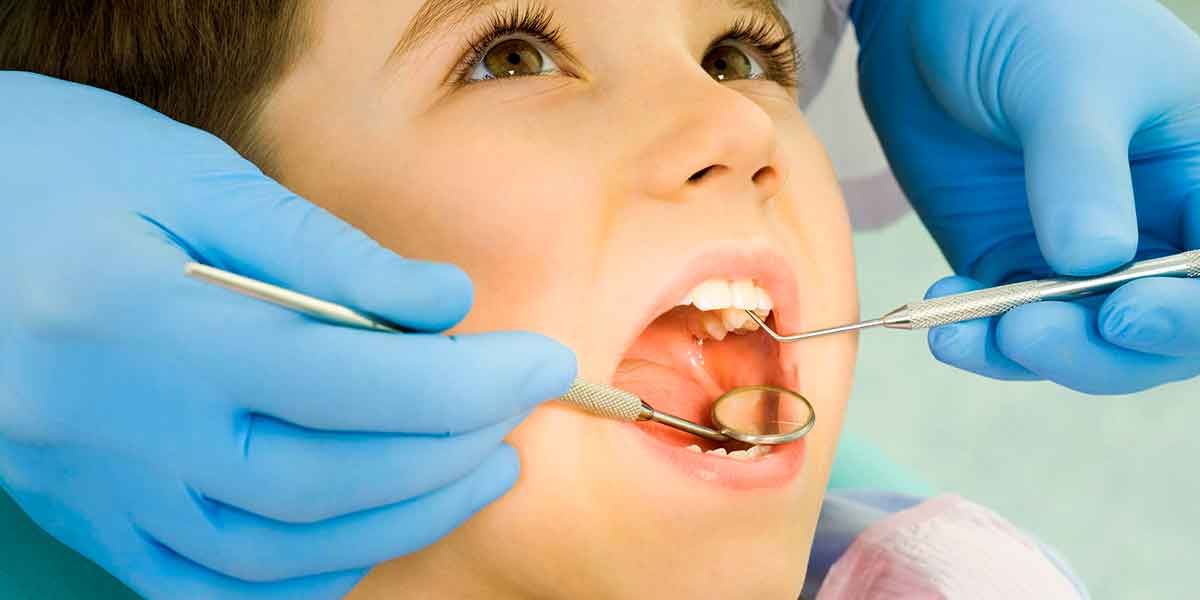
An early orthodontic evaluation involves a comprehensive assessment of your child’s dental and facial development, including an initial examination, diagnostic imaging, and a discussion of findings and recommendations.
Potential Treatment Options
If issues are identified during the evaluation, the orthodontist may recommend various treatment options tailored to your child’s needs, including space maintainers, expansion devices, braces or aligners, and habit appliances.
Long-Term Benefits of Early Orthodontic Treatment
Early orthodontic treatment can offer significant long-term benefits, enhancing both dental health and overall well-being, including improved oral health, enhanced aesthetics and self-esteem, better functionality, and a reduced need for future treatments.
In Conclusion
Early orthodontic evaluation is essential for ensuring your child’s dental health and proper development. Addressing potential issues early can prevent more severe complications and set the foundation for a healthy, beautiful smile. If your child is approaching the age of seven or if you have concerns about their dental development, scheduling an early orthodontic evaluation with a qualified orthodontist is a proactive approach that can significantly impact your child’s oral health and overall well-being.